
Show Confidence in Every Conversation

Interviews can feel intimidating, but thorough preparation, building rapport, and thoughtful follow-up can make a major difference. By practicing intentionally and communicating clearly, candidates can approach interviews with confidence and make a positive impression.
Preparing Your Responses
Practicing your interview responses out loud is one of the most effective ways to prepare and build confidence. This helps you refine your wording, improve clarity, and feel more comfortable speaking about your experiences. Aim to keep most answers around one to two minutes which is just long enough to show depth, but concise enough to keep the listener engaged.
Just as important, be mindful of nonverbal communication such as steady eye contact, an appropriate speaking pace, and a confident, professional tone. Remember, the goal of interview preparation is progress, not perfection. You will not get any better unless you continue to practice out loud. Some common ways to practice your interview responses are:
· VMock
· Practicing in front of a mirror
· Practicing with a trusted individual such as a friend, family member, or career advising specialist (Book an appointment)
· Use an AI tool such as copilot
Building Rapport Under Pressure
The interview is about confirmation of your qualifications and connection with the team. Therefore, rapport is a very important part of any interview. Here are some strategies to help build rapport with your interviewer and show confidence:
· Listen carefully to the interviewer's tone and pace before responding, be sure to mirror their tone and pace
· Use the interviewer's name naturally in conversation
· Smile when greeting and while listening
· Nod and show active listening
· Pause briefly before answering questions
Closing the Loop with a Follow‑Up
After the interview, sending a thoughtful follow‑up email within 24 hours reinforces professionalism and keeps you top of mind. A strong thank‑you message should express appreciation for the interviewer’s time, reference a specific moment from the conversation, and briefly restate interest in the role. Keeping this message concise and genuine can leave a positive final impression.
Final Takeaway
Interview success isn’t about having perfect answers, it’s about preparation, self-awareness, and follow-through. To learn more about effective interview preparation, check out Interview Like a Pro: Unlocking the Secrets of a Successful Interview. In this webinar, we focused on practical strategies to help candidates present themselves confidently, communicate clearly, and leave a professional impression before, during, and after the interview.
Connect with UMGC Career Services
For additional information or support, please set up an appointment with a UMGC Career Advising Specialist. Find out more information about UMGC's Accessibility Services.
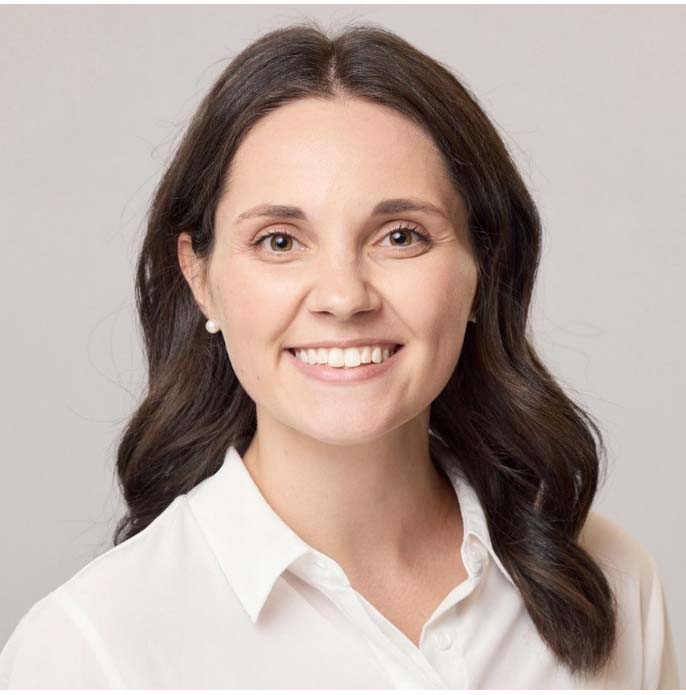
Jennifer Lucke is a Career Advising Specialist at the University of Maryland Global Campus, where she supports adult learners and non-traditional students as they navigate meaningful career transitions. In her work with the School of Integrative and Professional Studies, she partners with students and alumni to build confidence, clarify goals, and take purposeful steps toward the next stage of their careers.
Her advising approach is grounded in strengths-based, solution-focused practices and shaped by a commitment to creating a supportive, approachable environment where advisees feel understood and empowered. She provides individualized advising, resume and interview preparation, job search guidance, and career assessments. Additionally, she has designed and facilitated several initiatives aimed at strengthening college student engagement, personal and career identity development, and overall career readiness.
Jennifer holds a Master of Education in College Counseling and Student Development from North Carolina State University and a Bachelor of Science in Public Health from East Carolina University. She is also a Certified Career Counselor (CCC) through the National Career Development Association and remains committed to lifelong learning through ongoing engagement with the NCDA and the National Association of Colleges and Employers (NACE).